Meet two of our associated partners: the Province of Liége and Service Public de Wallonie. Located in Belgium, both partners actively work towards the restoration of the Vesdre Valley.
Working on river management
The Province of Liège is an intermediate public authority in Wallonia (1.1 million inhabitants), supporting 84 municipalities and playing a key role in territorial coordination, environmental management and climate resilience. The Province manages more than 1,000 kilometres of waterways and works closely with municipalities, emergency services and regional authorities to reduce flood risks and strengthen river resilience. The Service Public de Wallonie (SPW) works to manage so-called ‘first category rivers’, such as the Vesdre. The Vesdre Valley experienced devastating floods in July 2021. Both partners are now working on a resilient restoration of the river by improving river design with Nature-based Solutions (NbS).
Becoming an associated partner
The Province of Liège joined ResiRiver as an associated partner at the request of the University of Liège, building on an established collaboration around resilience measures following the devastating floods in 2021, notably through its participation in EU-funded projects such as LIFE project ‘Vallées Ardennaises’ (2020-2028). Given the existing collaboration between the Province of Liége and SPW, SPW also joined our project, making both parties valuable associated partners of ResiRiver.
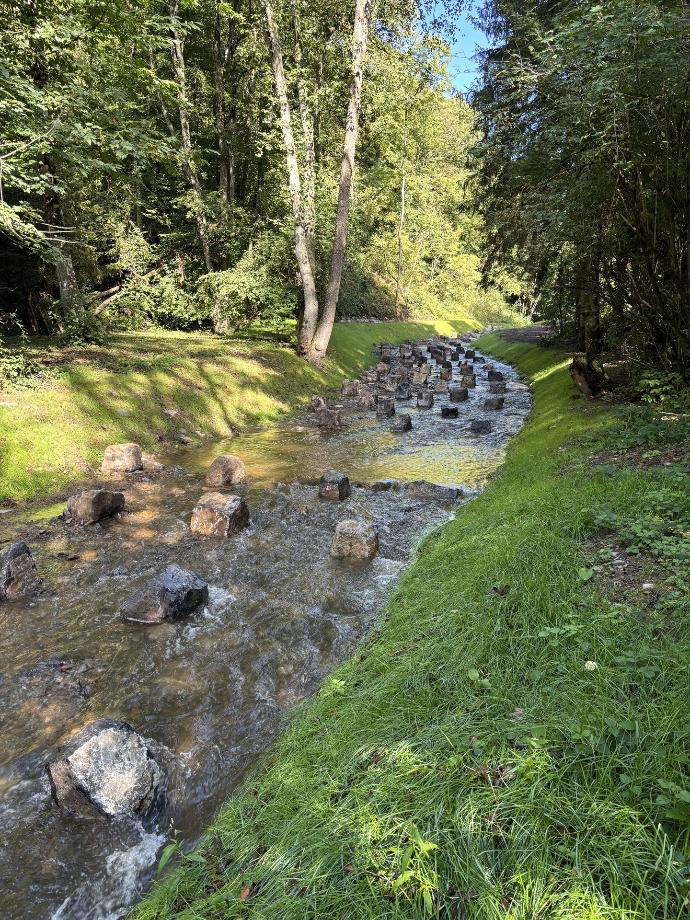
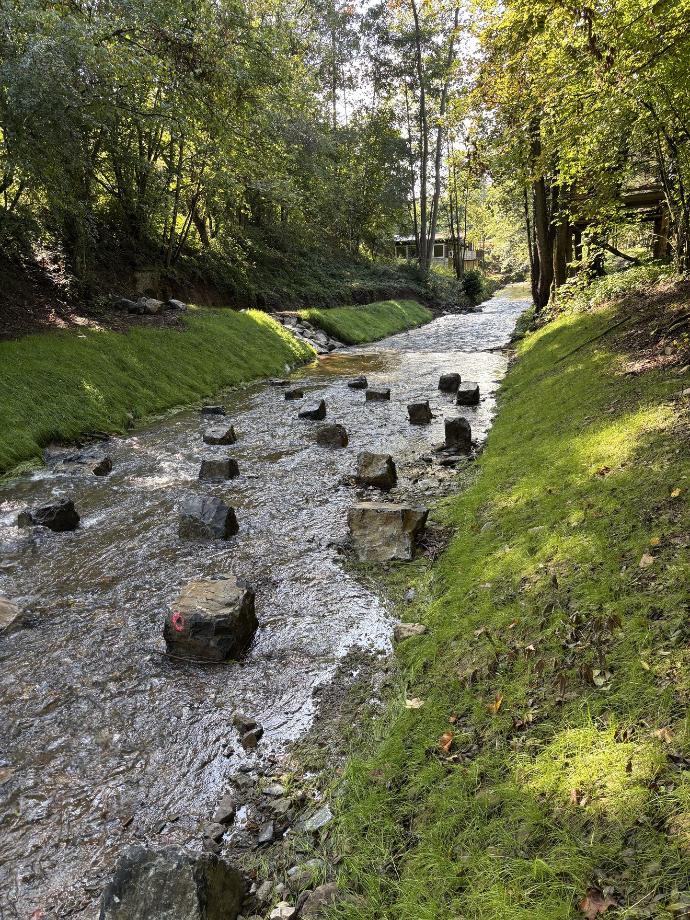
Using NbS for river resilience
The goal is to restore the Vesdre river and make it more resilient using NbS. To achieve this, the restoration relies on:
- Hydrological, hydraulic and land-use studies, including topobathymetric data at the sub-basin scale
- Strategic acquisition of land and buildings (and, where necessary, demolition)
- River restoration including hydromorphological measures
- Improvements or creation of natural floodplain areas
- Temporary retention areas that can be activated during floods.
The aim is to achieve watershed-scale resilience. This includes reducing the risk of flooding, stabilising riverbanks by improving or preserving the environment, and incorporating land-use planning. These steps require close collaboration between stakeholders. The challenge is to apply NbS across the entire basin, which is highly urbanised. To achieve greater resilience to flooding, a shared vision among watercourse managers at the basin level is required.
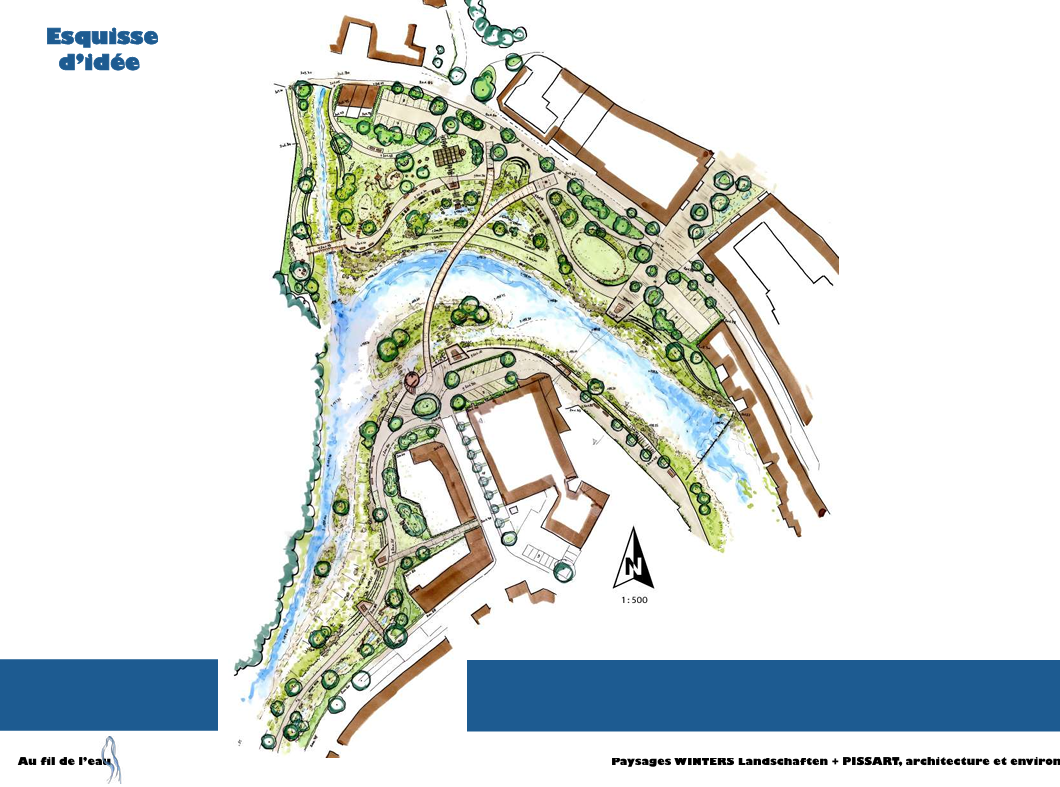
Photo: a landscape sketch of a meander in Dolhain
Contributing expertise
Each of the partners has their part to play. Both the Province and SPW bring the perspective of a field-based practitioner, which helps identify the practical difficulties that might be encountered during implementation and in decision-making at the local level. In turn, our ResiRiver partner University of Liège brings several project outcomes, including hydraulic modelling results, training schemes, technical guidance and recommendations for implementing NbS. These outputs will support evidence-based decision-making and accelerate the integration of resilient and sustainable watercourse management practices in Wallonia. This remains an ongoing process of continuous improvement.
For more information, click the button below (available in French only).