The ResiRiver midterm event in Bremen opened with familiar, positive energy. People catching up over coffee, scanning name tags, and quietly wondering how ambitious discussions about rivers, policy, and Nature-based Solutions (NbS) would unfold over the next few days. Luckily, it did not take long before things really started flowing.
Day 1 | Tuesday, May 19
After a warm welcome from Silke Schreier, Melanie Schulz, and Stanford Wilson, a keynote explored the added value of transnational working to achieve the mainstreaming of NbS. Unlike policies, rivers transcend borders, and local decisions ripple far beyond their immediate surroundings. This was grounded in the core ambition of NbS: finding that delicate balance where waterways remain functional and where nature is not just preserved, but strengthened.
That sense of shared purpose carried into the next session, which shifted the focus from 'why' to 'what we’re actually doing about it'. Working across borders is necessary, the challenges we face in water management are simply too big to tackle alone. Project leader Stanford followed with a clear and energising overview of the project itself, showing just how much progress has already been made. ResiRiver is no longer just an idea; it is a growing body of work with real momentum and a collaboration that is clearly working.
Dr. Elisabeth Klocke brought the discussion into practice with a case from the Elbe, exploring how a deeper navigation channel and nature restoration can coexist. Rather than relying solely on technical solutions, they set up a foundation with equal representation from river users and environmental interests, keeping it independent from political influence. In doing so, they created something unique: a structure that genuinely supports both objectives. With users contributing financially and governance carefully balanced, the result was not a compromise, but a functioning solution. The case sparked a key question: how can this approach become the norm rather than the exception?
After lunch, the project’s scientific core took centre stage. PhD researchers explored flood risk modelling, NbS, and the limits of traditional grey infrastructure. They highlighted the human dimension, showing how stakeholder involvement, policy, and public perception are crucial for successful environmental action.
Dr. Maike Heuner from Bundesanstalt für Gewässerkunde (BfG) highlighted that nature and humans should work together, not in competition. Isabel Schreiber from Bundesanstalt für Wasserbau (BAW) stressed the need for new guidelines tailored to NbS, acknowledging that uncertainty can never be fully removed. The day was closed with a panel discussion where it was conceded that the mainstreaming of NbS encountered the following challenges: scaling solutions, managing uncertainty, and bridging science and implementation. By the end of the day, the focus had shifted from whether NbS matter to how they can be successfully applied across rivers, countries, and systems that were not designed with nature in mind.
Day 2 | Wednesday, May 20
Day two began at the House of Science with a workshop led by Dr. Stephanie Janssen and Dr. Geert van der Meulen, where participants shared their favourite guidelines, ranging from travel guides to board game instructions. Melanie’s example of an enchanted forest game encouraged the group to think beyond traditional formats and focus on making guidelines engaging as well as practical.
The workshop then focused on shaping the ResiRiver guideline for Mainstreaming and Upscaling NbS. Rather than reinventing existing knowledge, the aim is to connect and simplify it for different users, from policymakers to engineers. The group agreed that a guideline only succeeds if people actually use it.
In the afternoon, participants visited the Bunker Bay pilot site and Kreuzdeich. At Bunker Bay, natural methods such as brushwood boxes and deadwood are being tested to support sedimentation, vegetation growth, and ecological improvement. Kreuzdeich highlighted the ecological restoration side of NbS. Together, the visits showed how NbS move beyond theory and take shape in real landscapes through experimentation, adaptation, and collaboration.
A (very) small impression of our event so far!

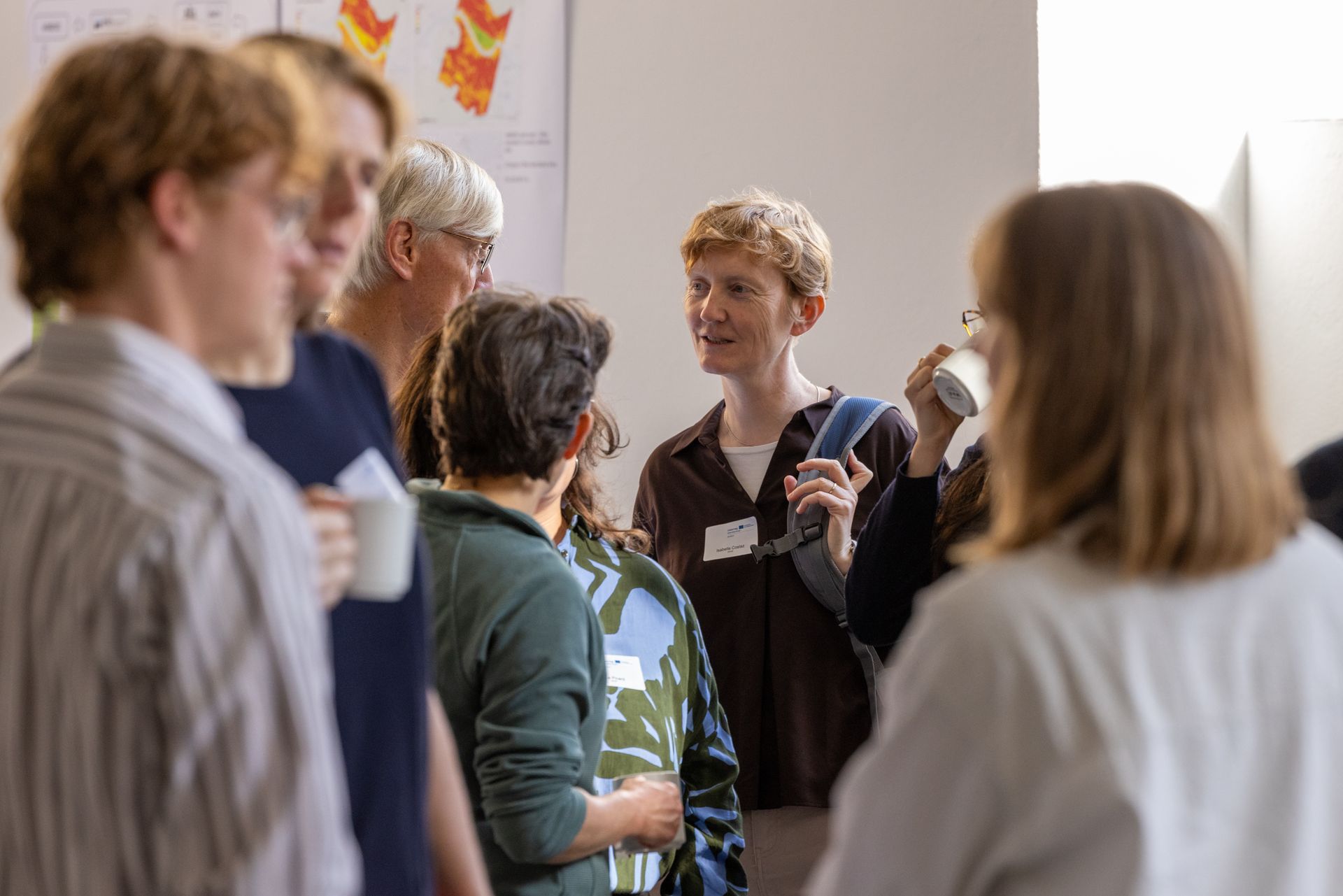
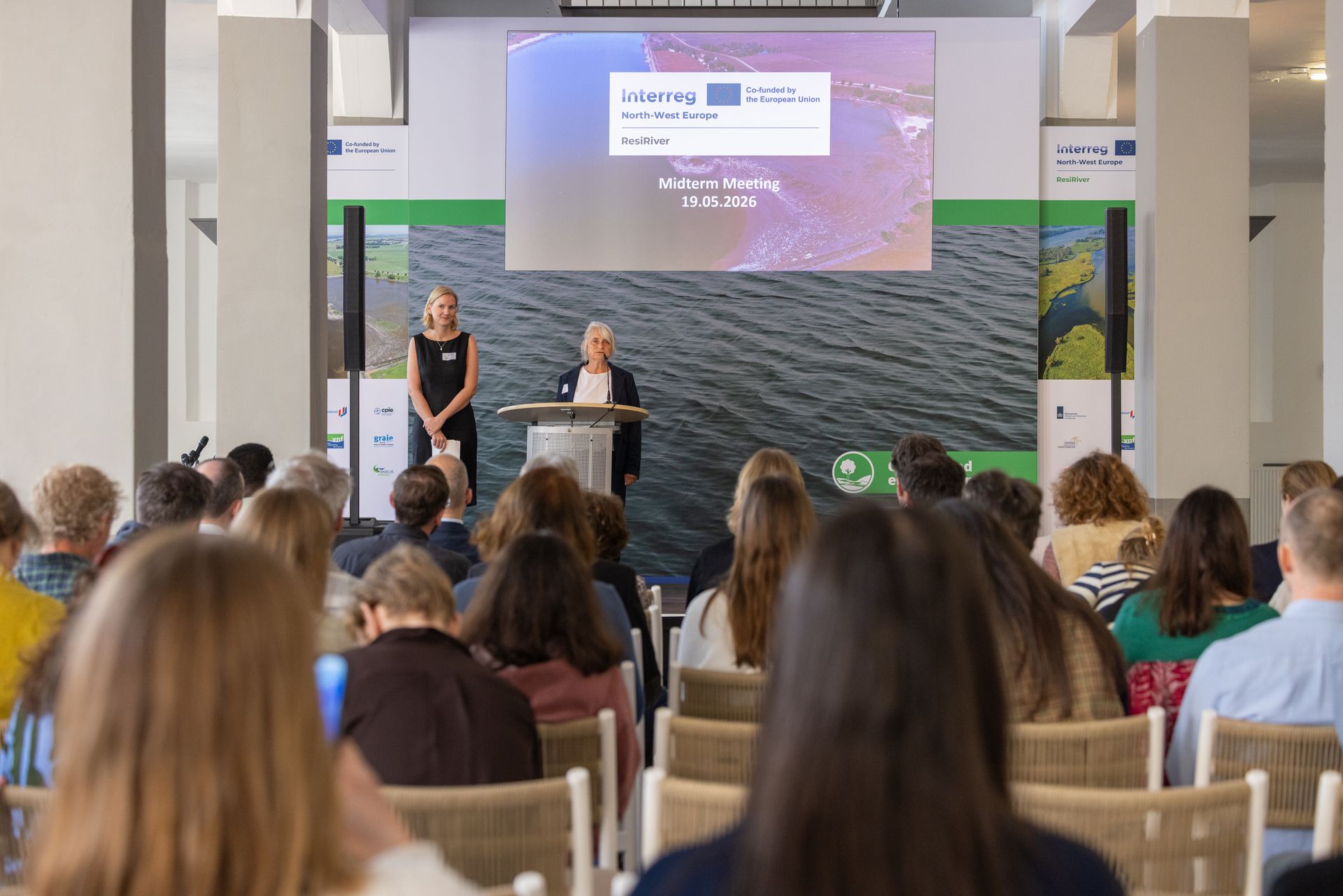
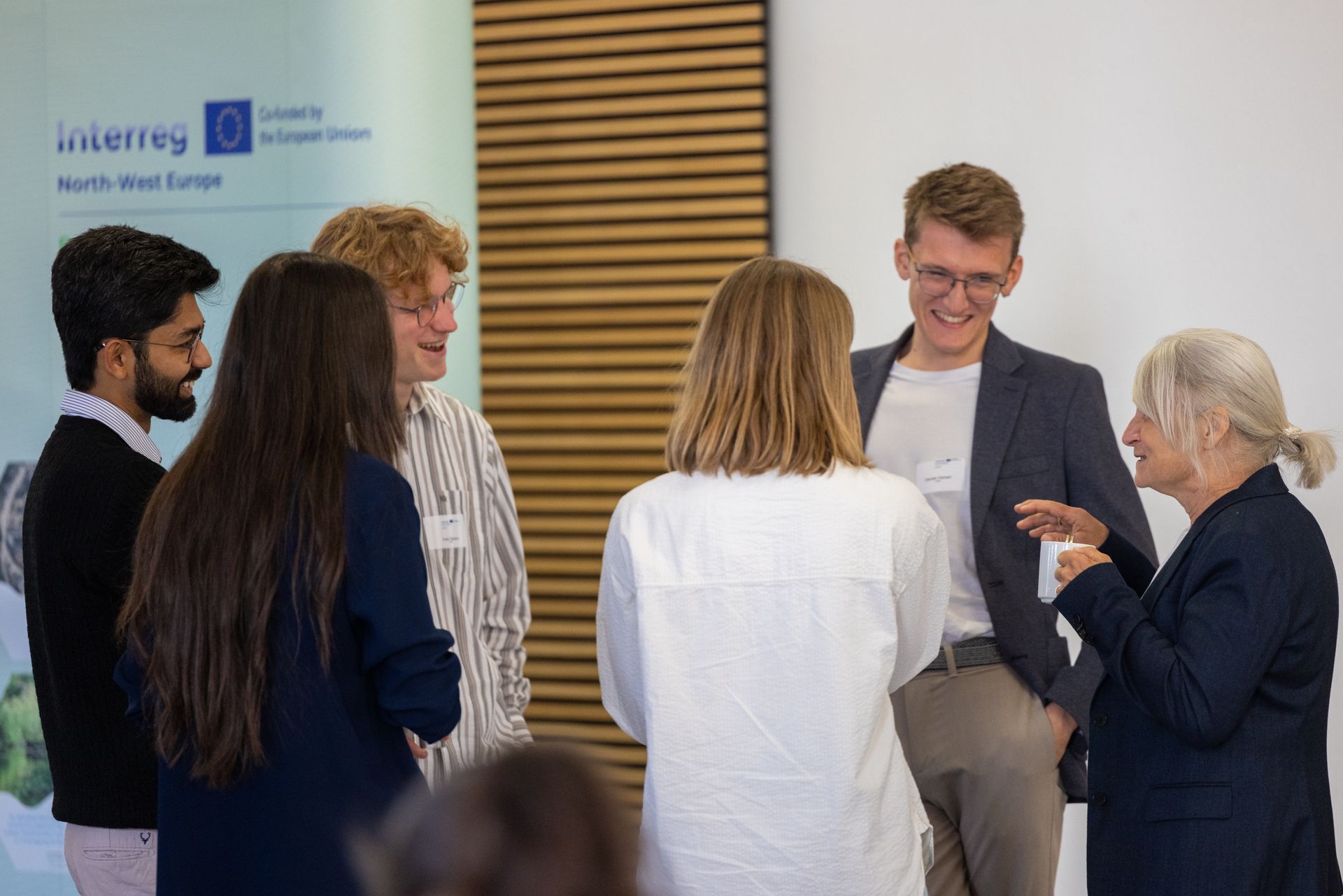
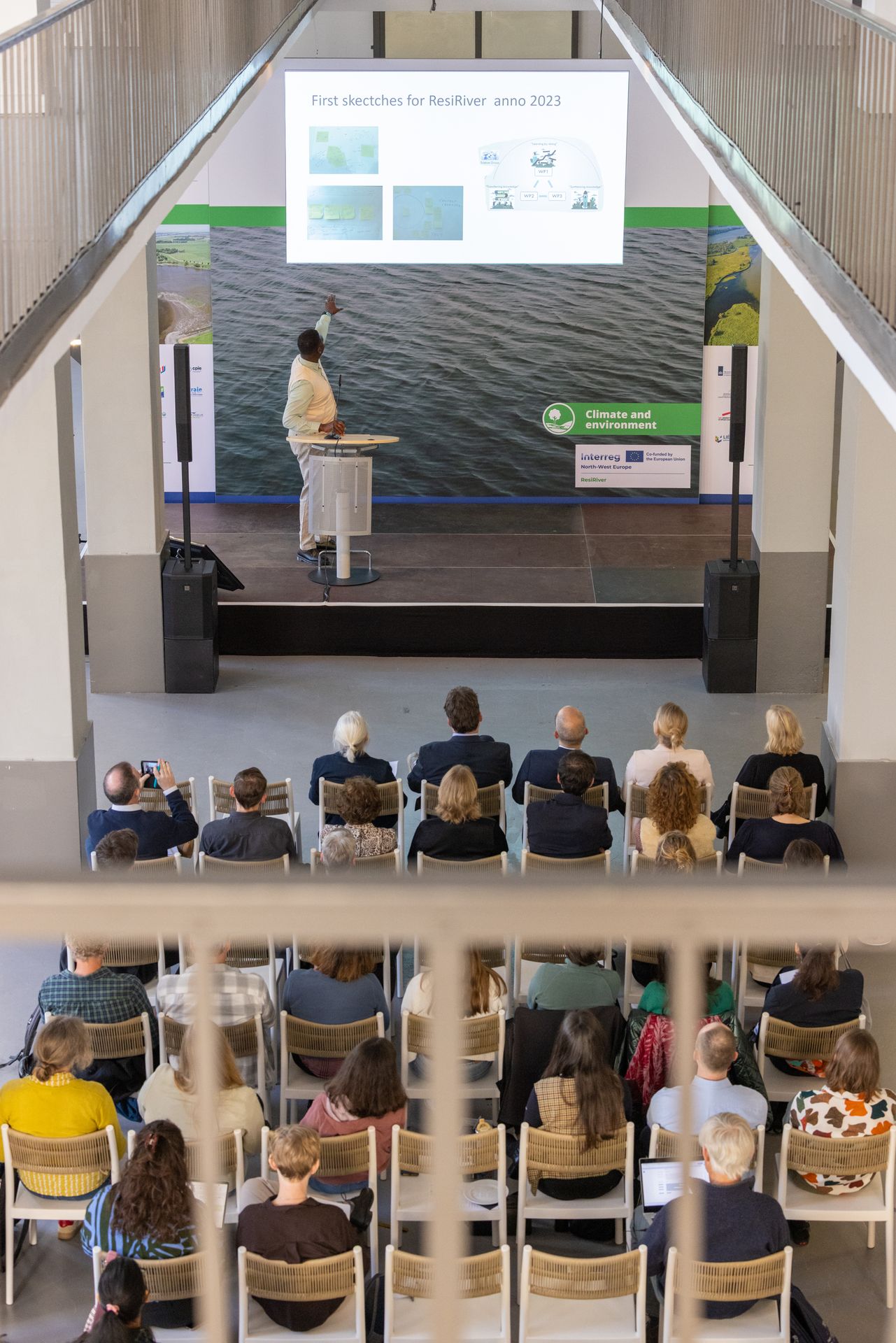
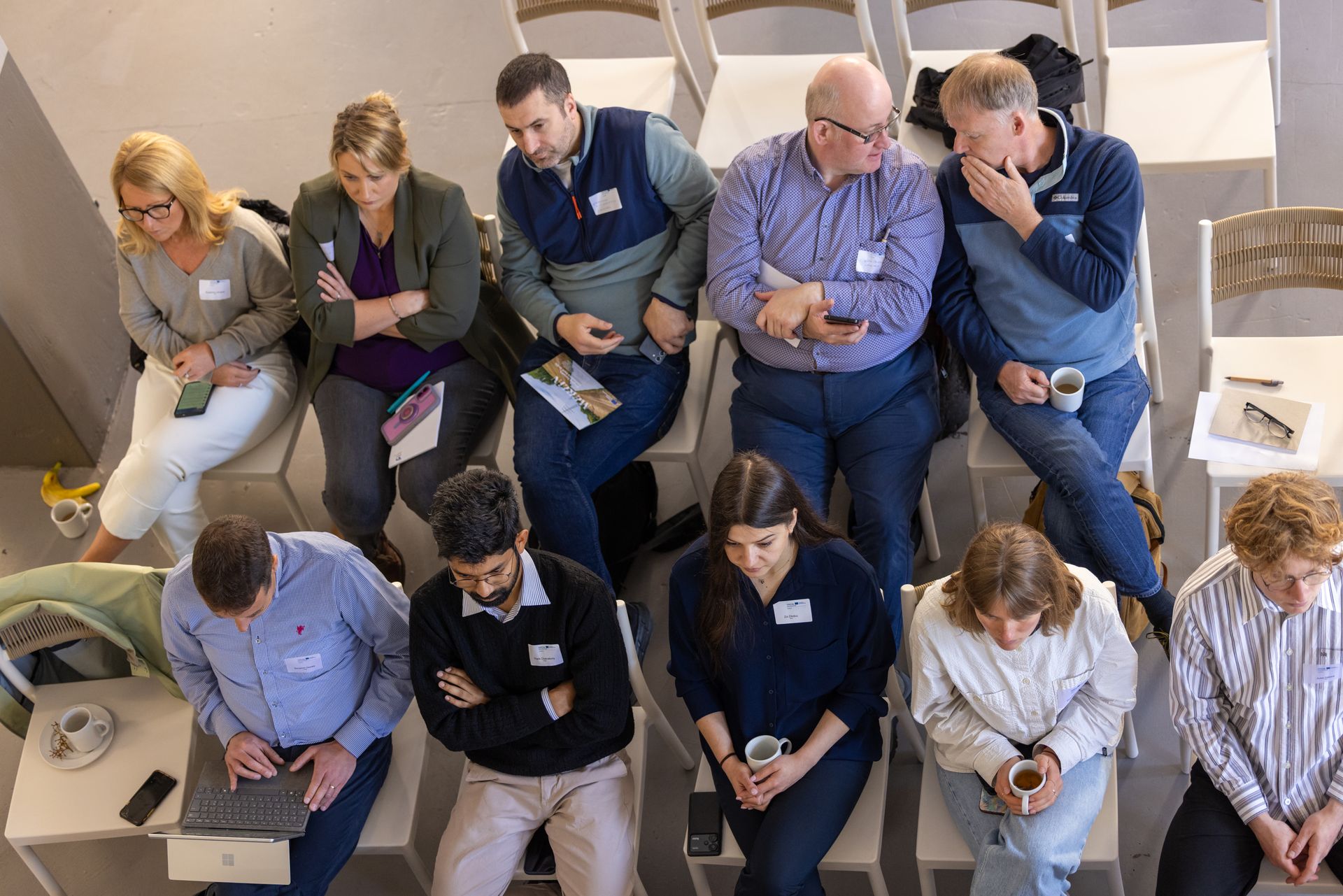
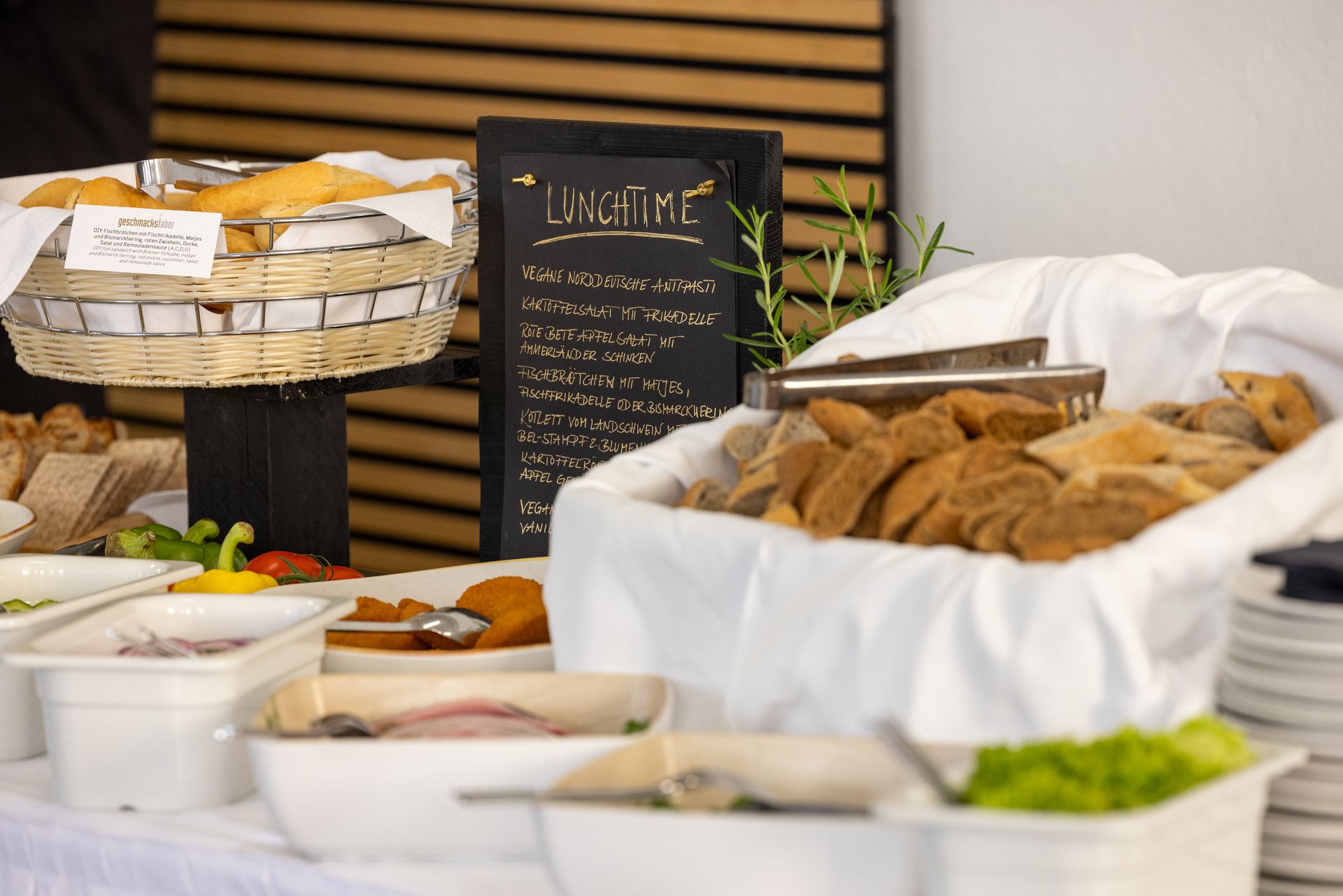
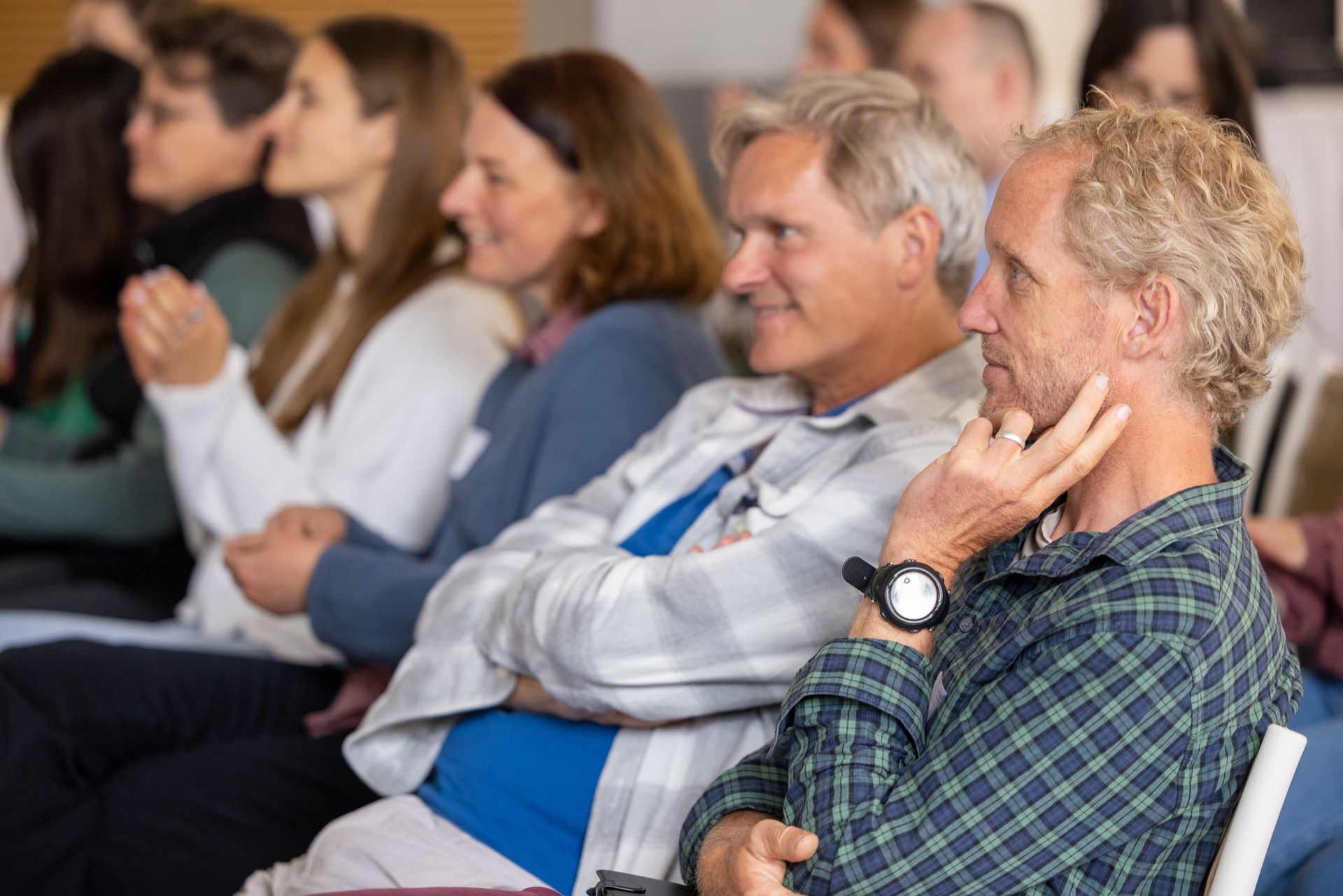
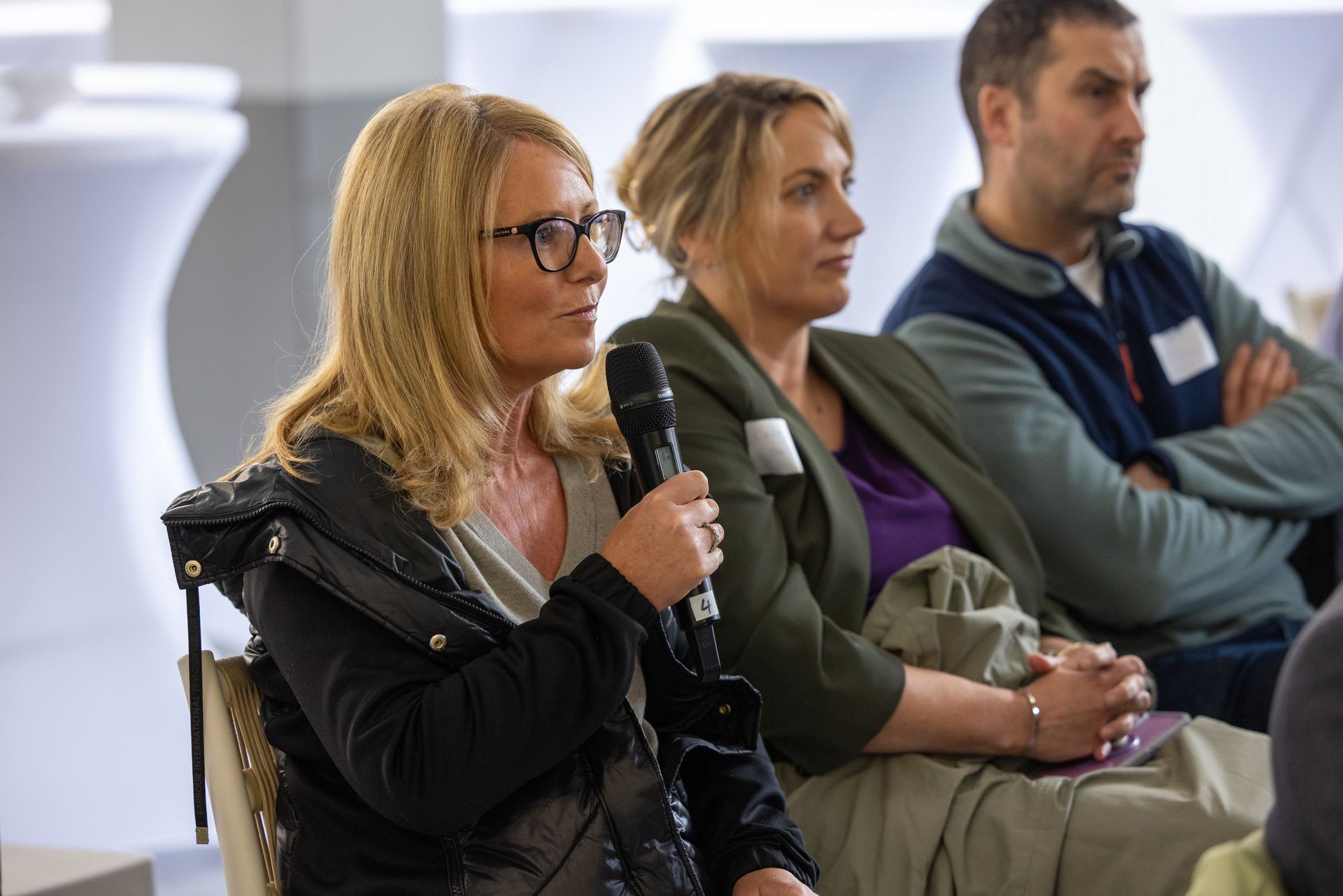
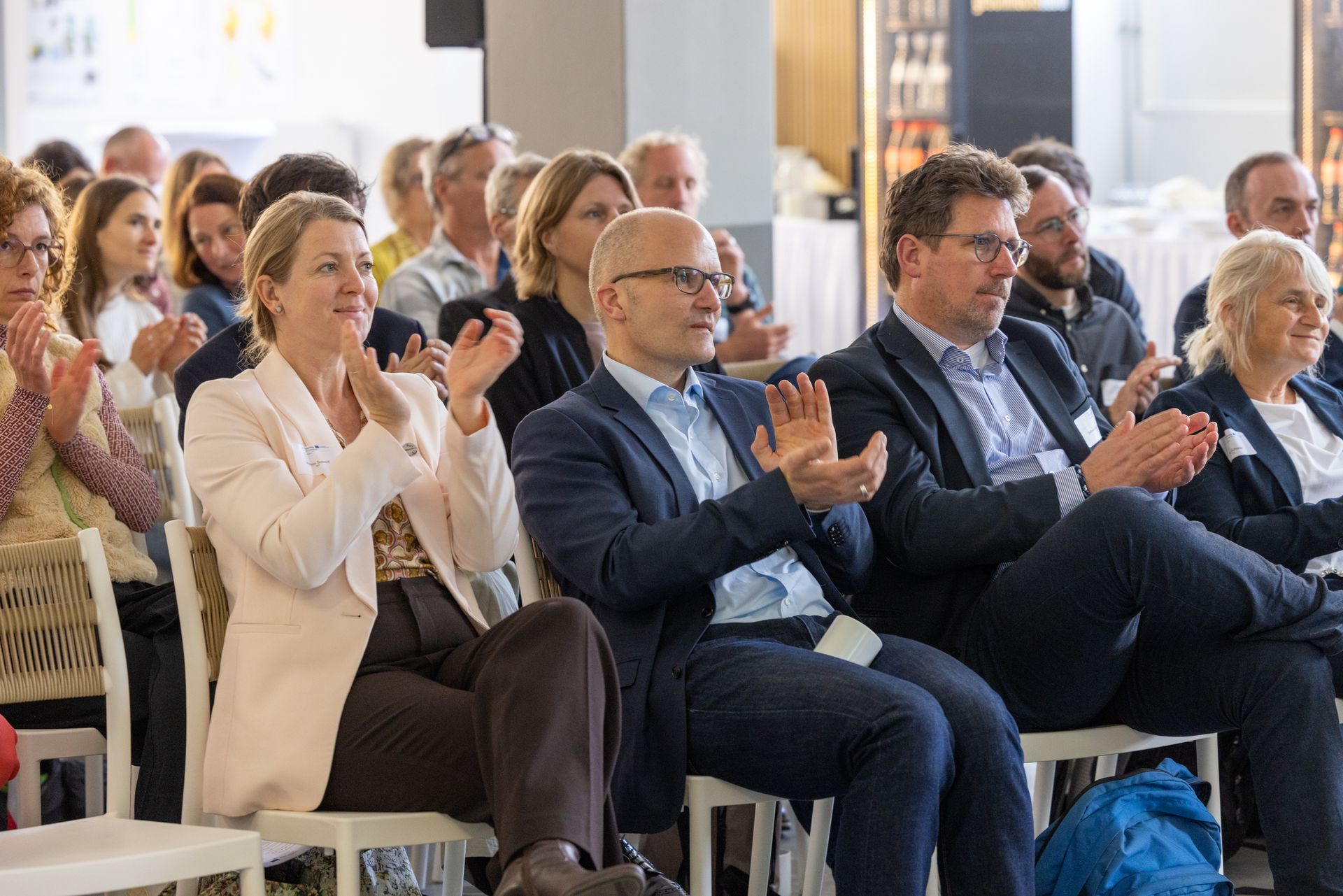
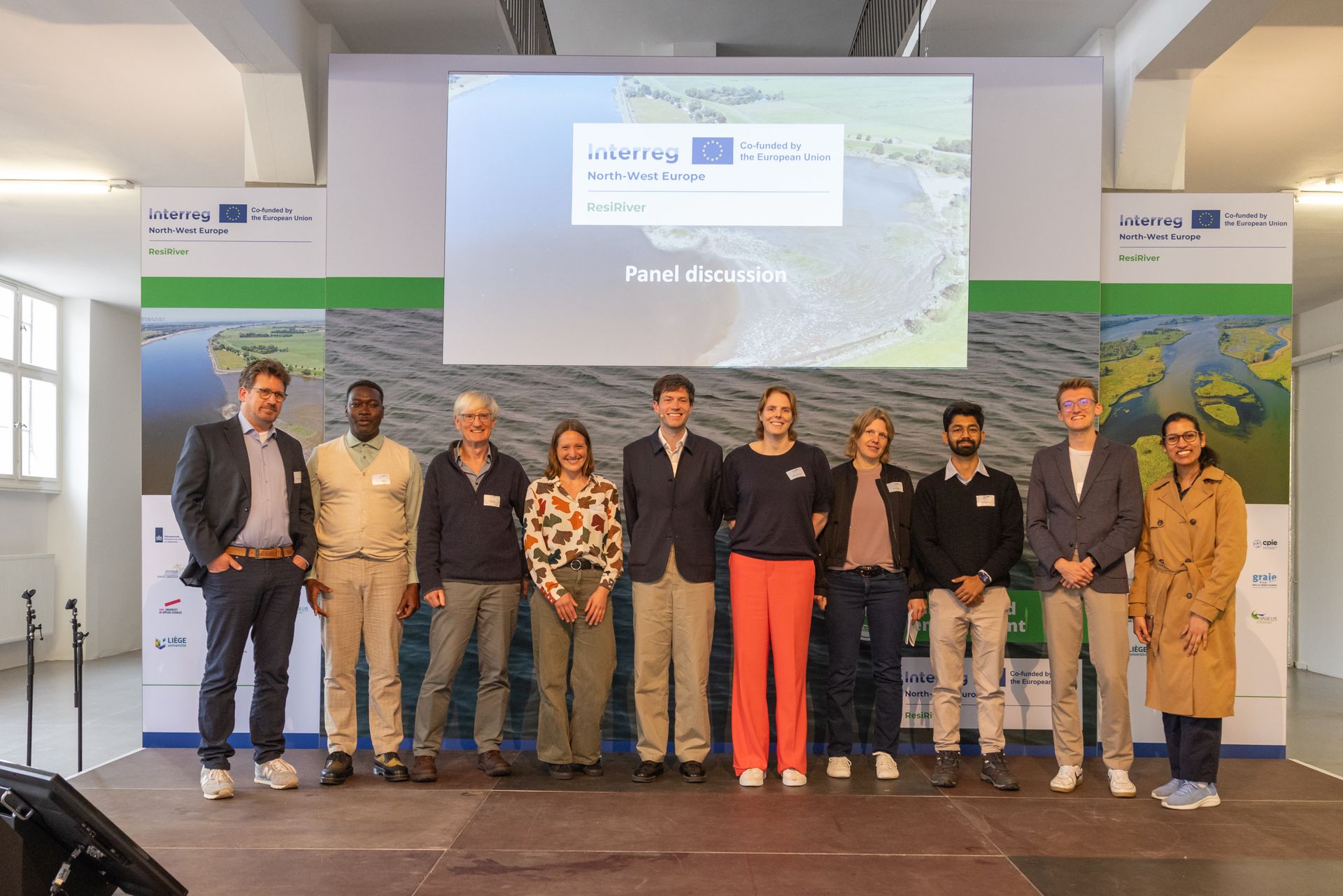
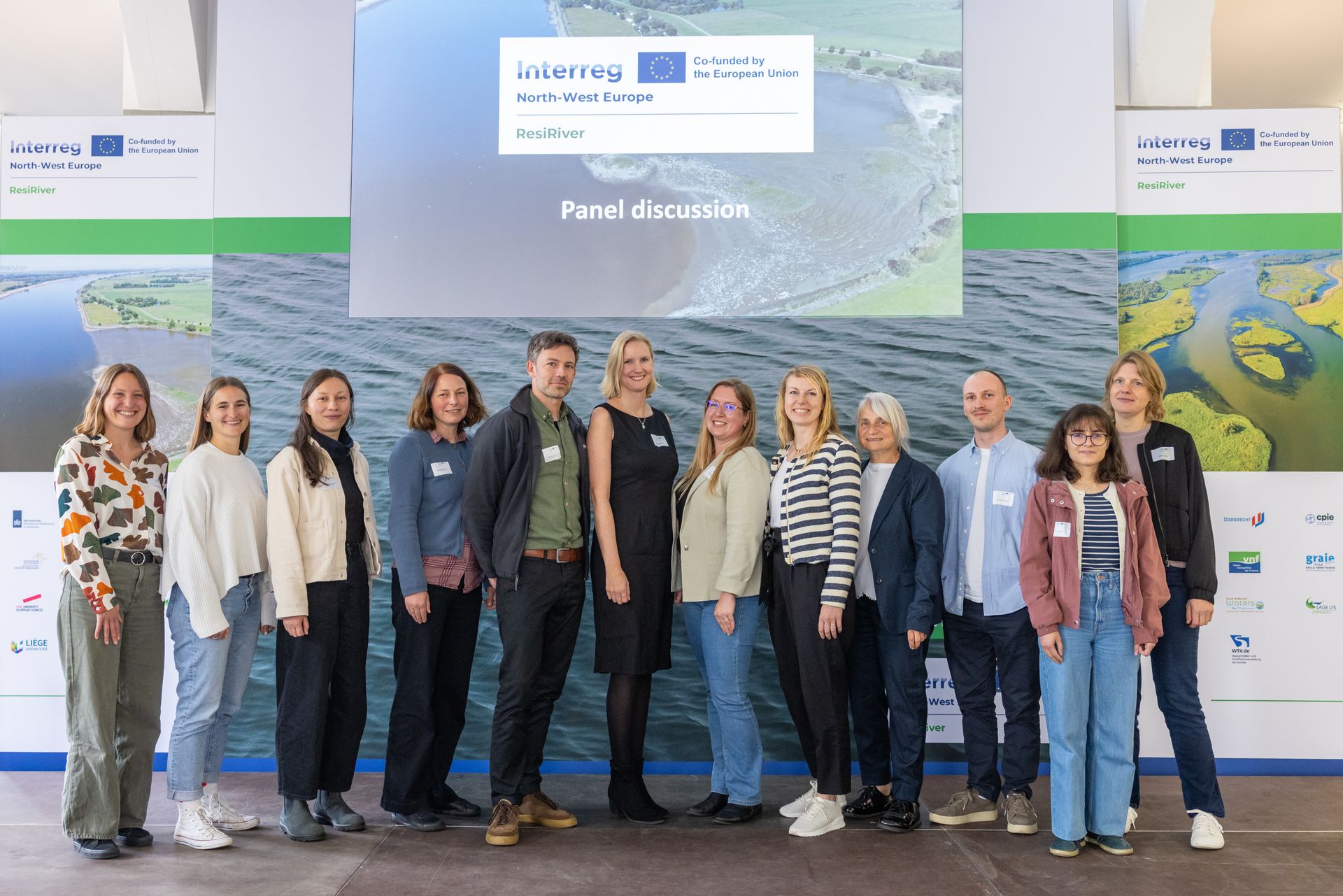
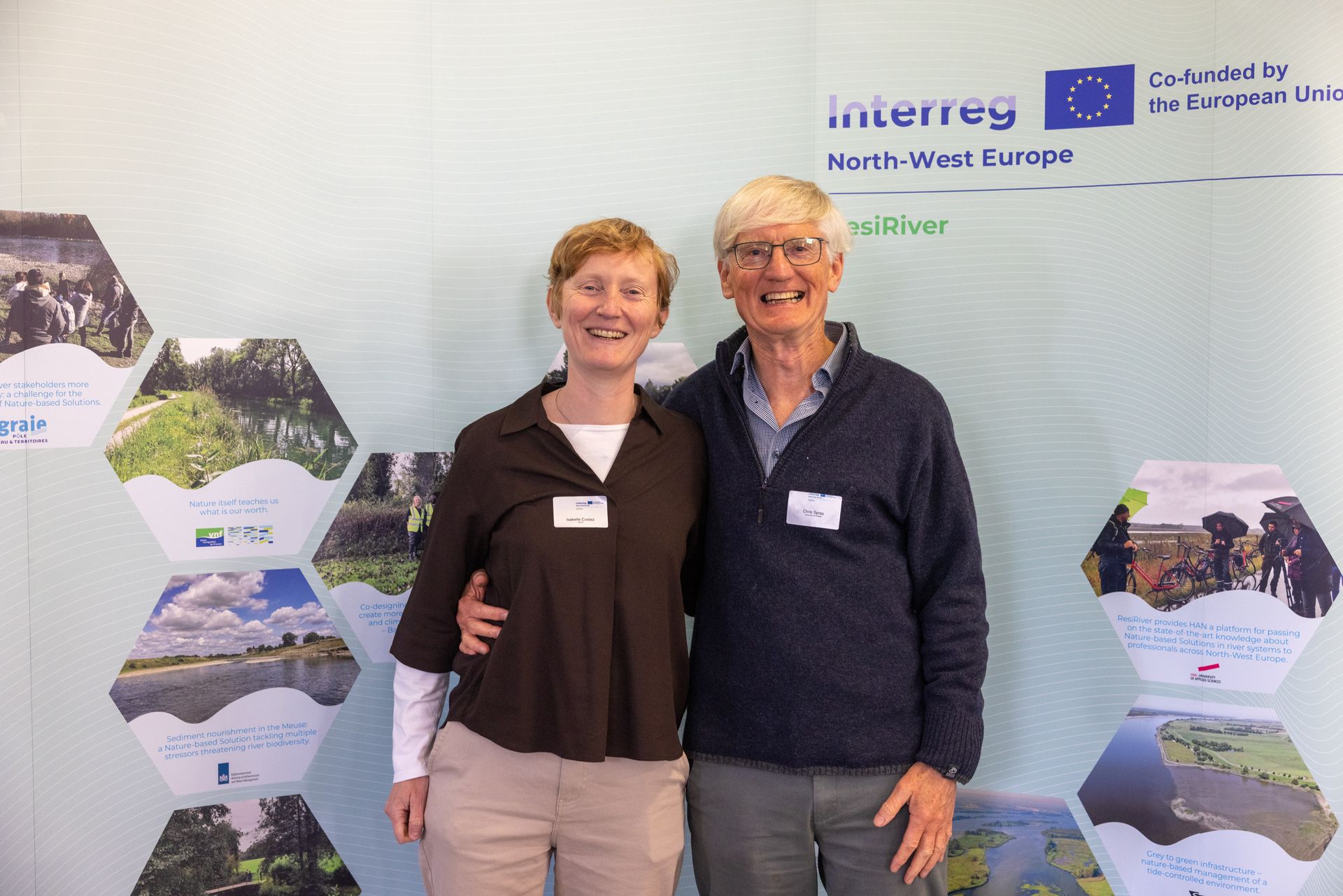
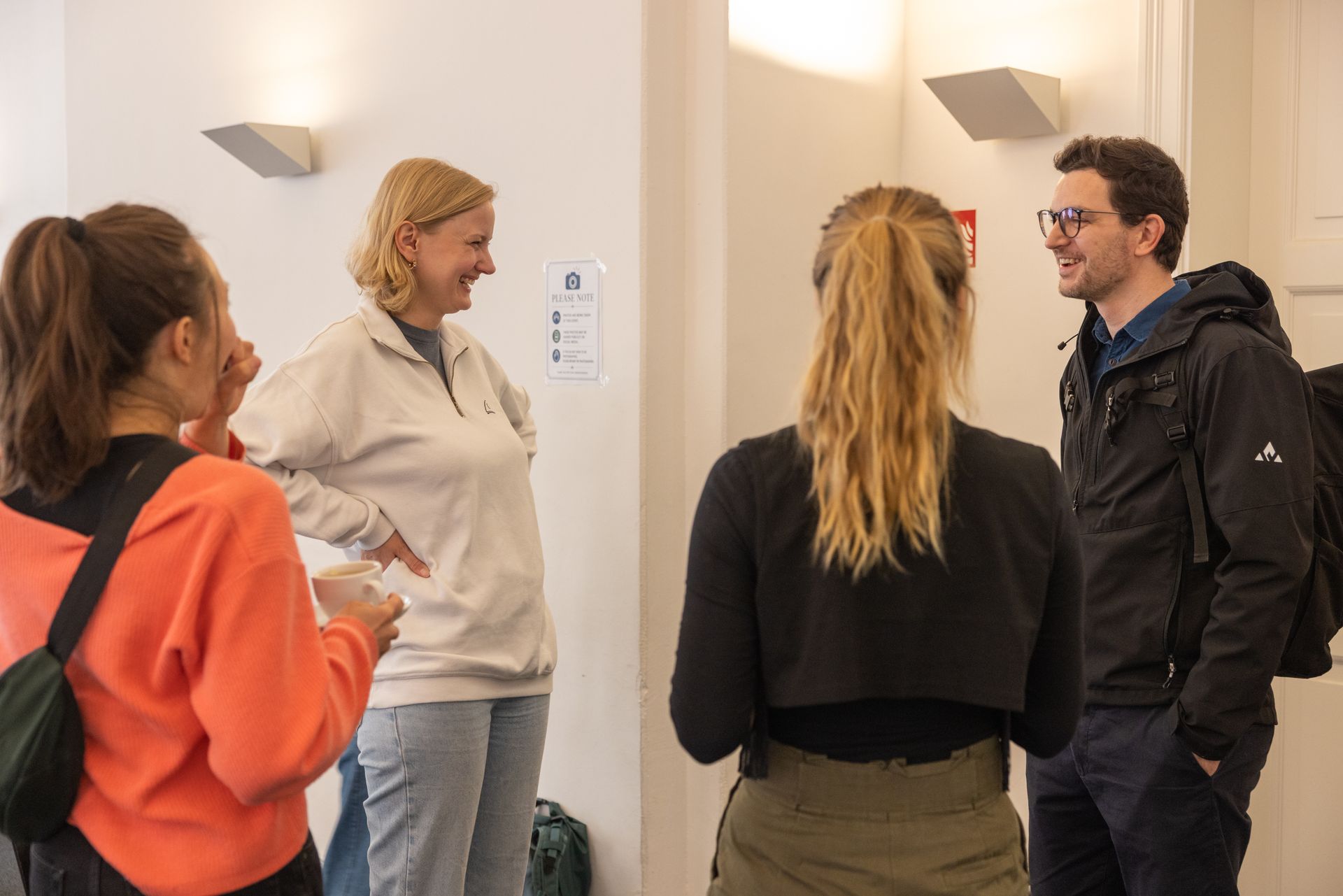
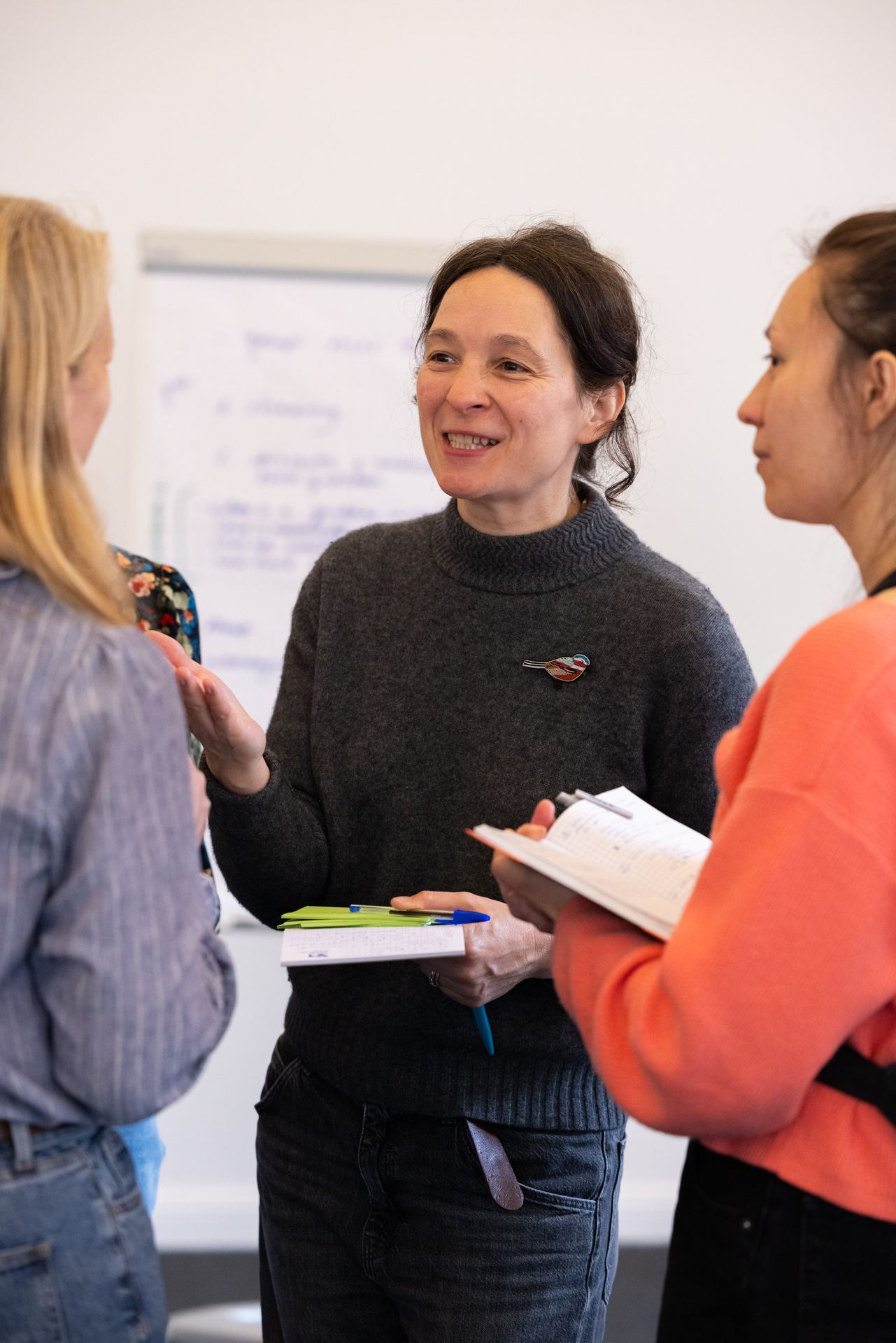
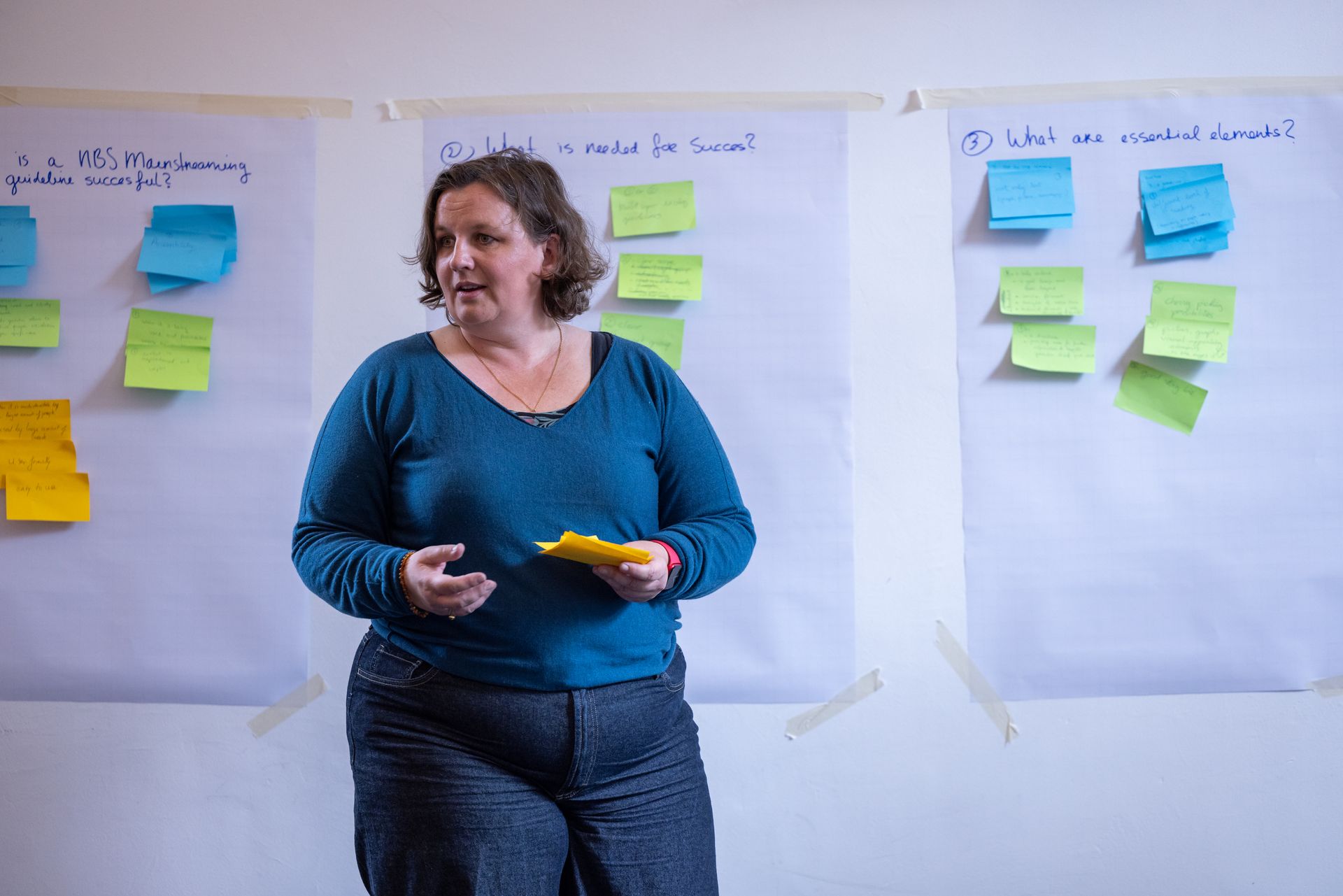
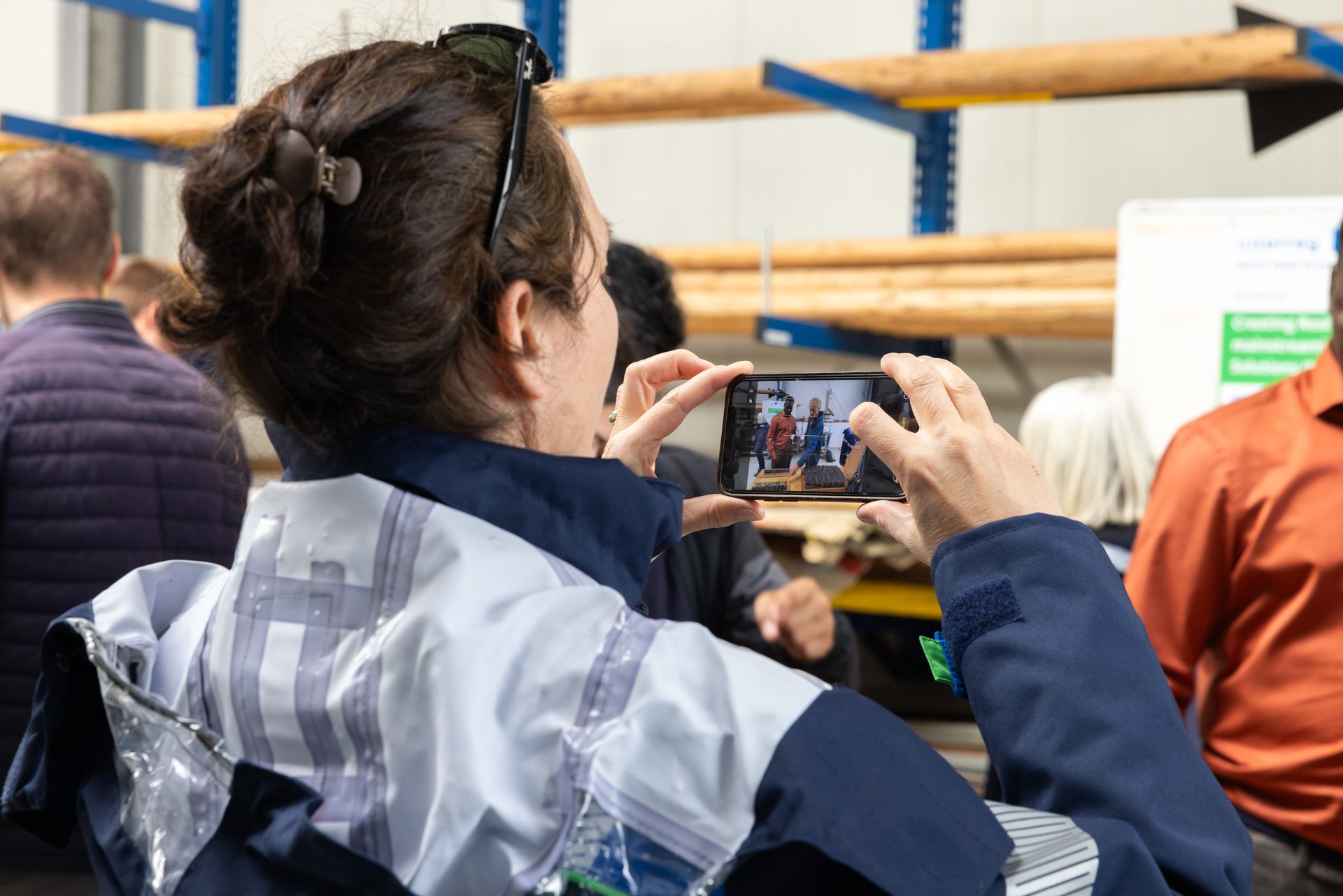
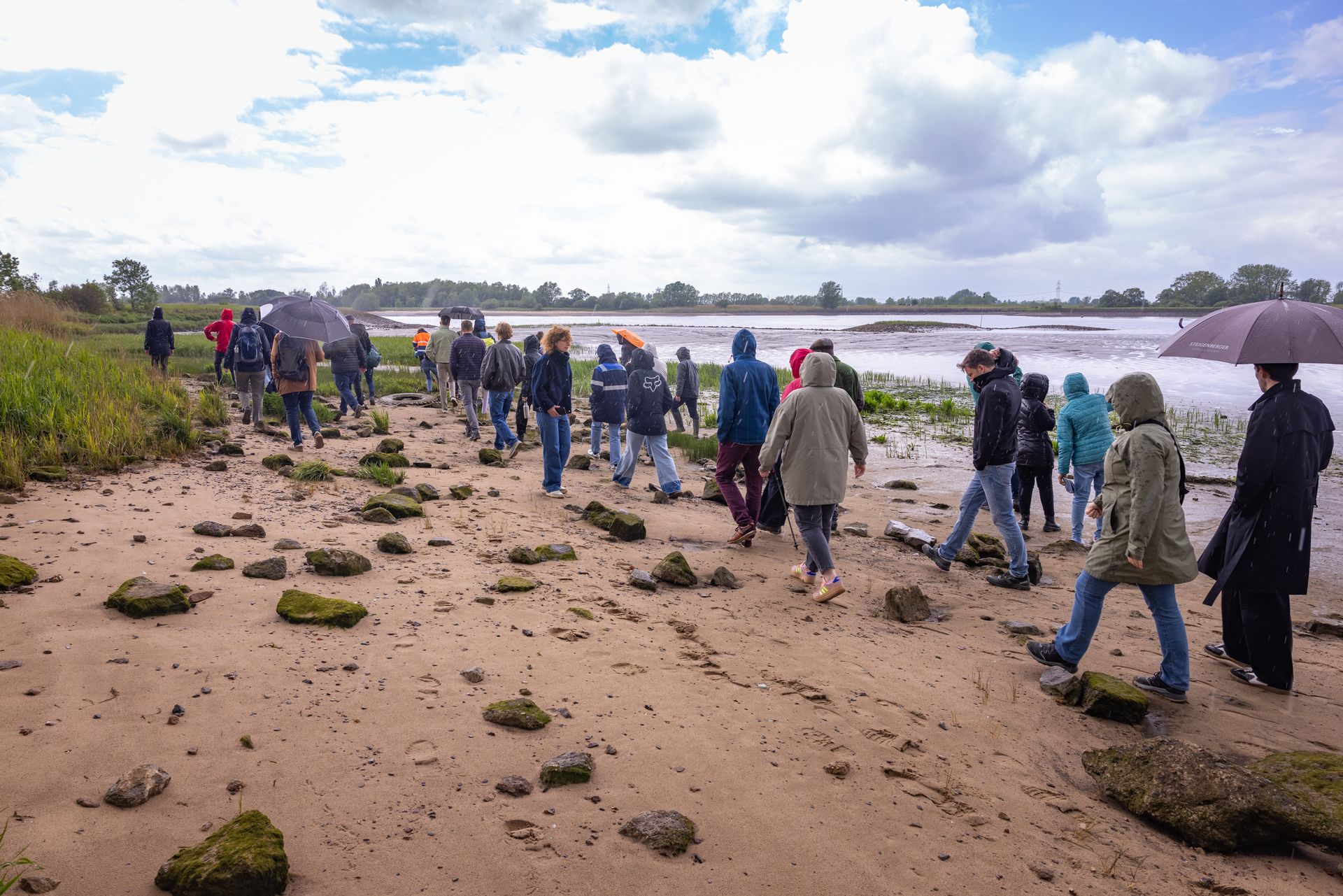
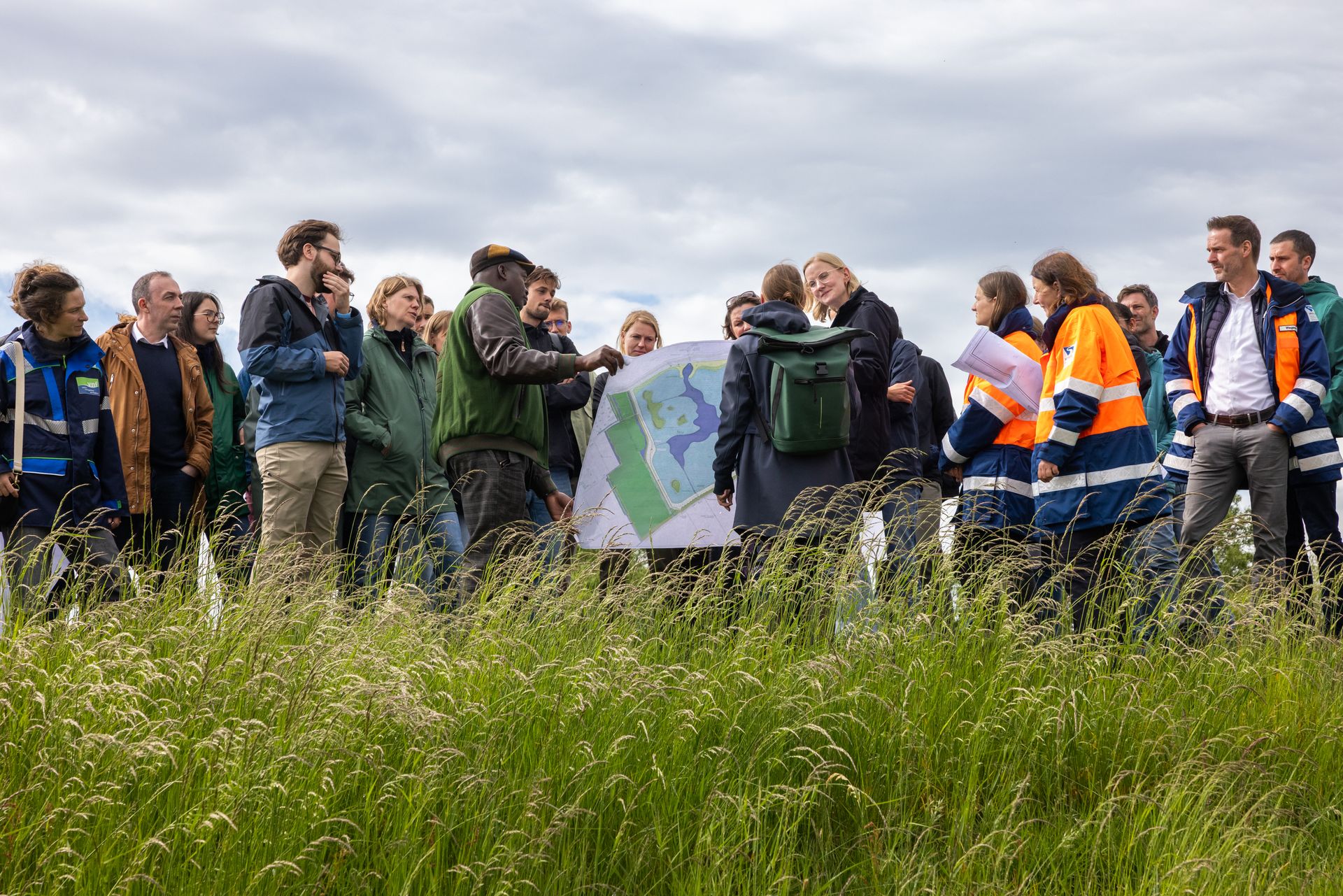
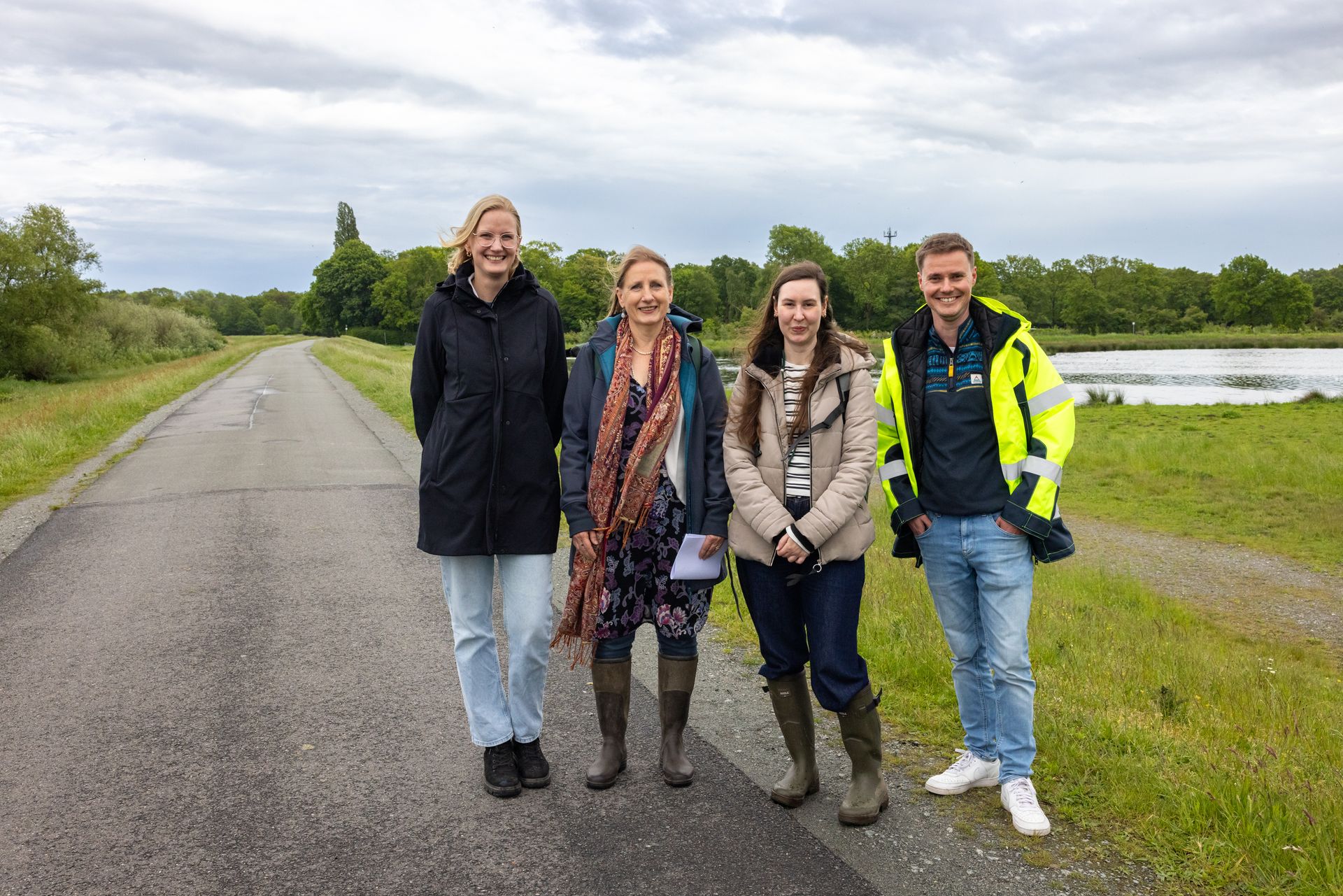
Photo credits: Gaby Ahnert